A shop window breaks. On a screen, it lasts three seconds. Then the next video arrives.
For the person who will lift the shutters the following morning, that is where the story begins. Phone calls, repairs, lost working days. And a question that is hard to answer: what did I do to deserve this?
Watching what is happening in France, this is what I keep thinking about. Reports on the demonstrations of 17 October 2026 described large peaceful marches, alongside separate groups involved in looting and destruction. That distinction matters. You cannot fit everyone on a street into the same description. Le Monde reporting, 18 October 2026.
But the thought reaches beyond one country. It is about how easily people within the same society can start to see one another as obstacles.
The right to be heard
I support peaceful protest. I want someone who feels unheard to be able to take to the streets, stand alongside others and ask for something better.
And I understand that a protest can be inconvenient. It might change my route, delay my day or make me notice something I would otherwise have walked past. Inconvenience is part of sharing a city with people who also have a voice.
What I struggle to accept is the moment anger reaches the property of someone who happens to be there, simply because they happen to be there.
The car they use to get to work. The shop they open every morning. The entrance to their building.
Somewhere there, I lose the connection between the demand and the person being asked to pay.
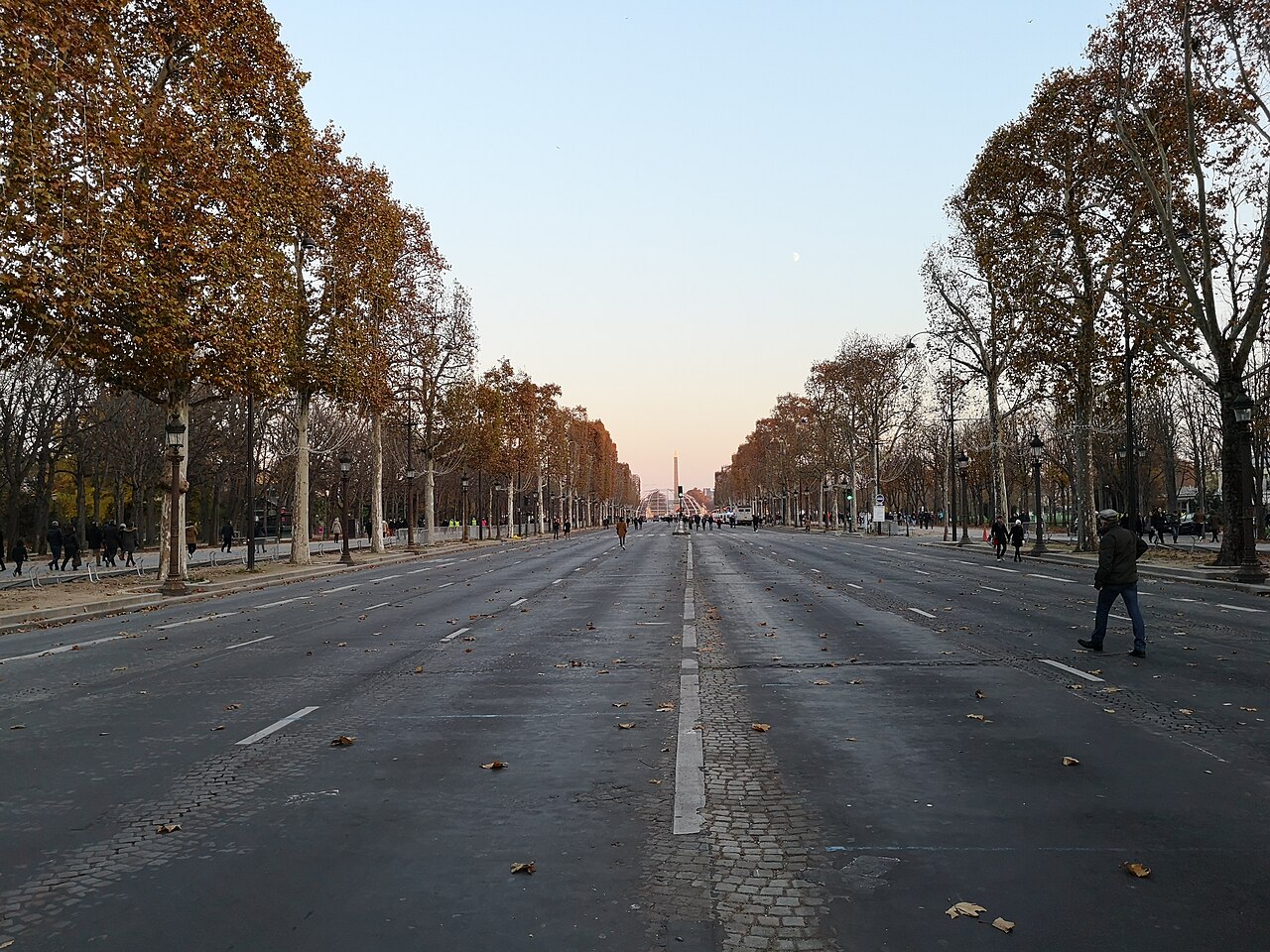

There is a person behind the shop window
In a video, we see a pane of glass. Behind it there may be a loan, an employee, a family trying to get through the month.
We do not know what that person believes. They might support the protest. They might disagree. They might not have had time to think about it, because their entire day goes into keeping something afloat.
The damage did not ask them.
I find looting even harder to understand. Someone walks away carrying things that belonged to someone else. I try to work out what improved, which injustice was corrected, whose life will be better the next morning. I cannot find an answer.
Trying to understand where anger came from does not oblige me to justify every act committed in its name. I can condemn destruction and still listen to the original grievance.
How quickly we end up on opposite sides
This is what saddens me most.
Someone whose shop has been destroyed may hear the word “demonstration” tomorrow and shut down the conversation inside their head. Someone who marched peacefully may feel that nobody cares any more about what they were asking for.
Both may have reasons to be angry. But their anger starts pointing towards each other.
That is how it feels to me: like a small civil war within everyday life. People who share the same street begin to struggle to share anything else.
That is what worries me about Europe too. How easily we lose the curiosity to listen to the person next to us, and hold on only to the urge to answer them.
How do we end up fighting each other?
I sometimes wonder how spontaneous this fragmentation really is. How much of it grows out of circumstances, and how much might be amplified by the way political debate, news and social media work.
If “the system” means all of those things together, then the question is there for me. I do not have evidence that someone organised these particular incidents. The fact that a development may benefit someone does not prove they caused it.
But I can observe what happens to the discussion: we start with a problem and end up examining one another’s identity, intentions and morality.
While that happens, the original problem waits. And we have already found someone closer to home to be angry with.
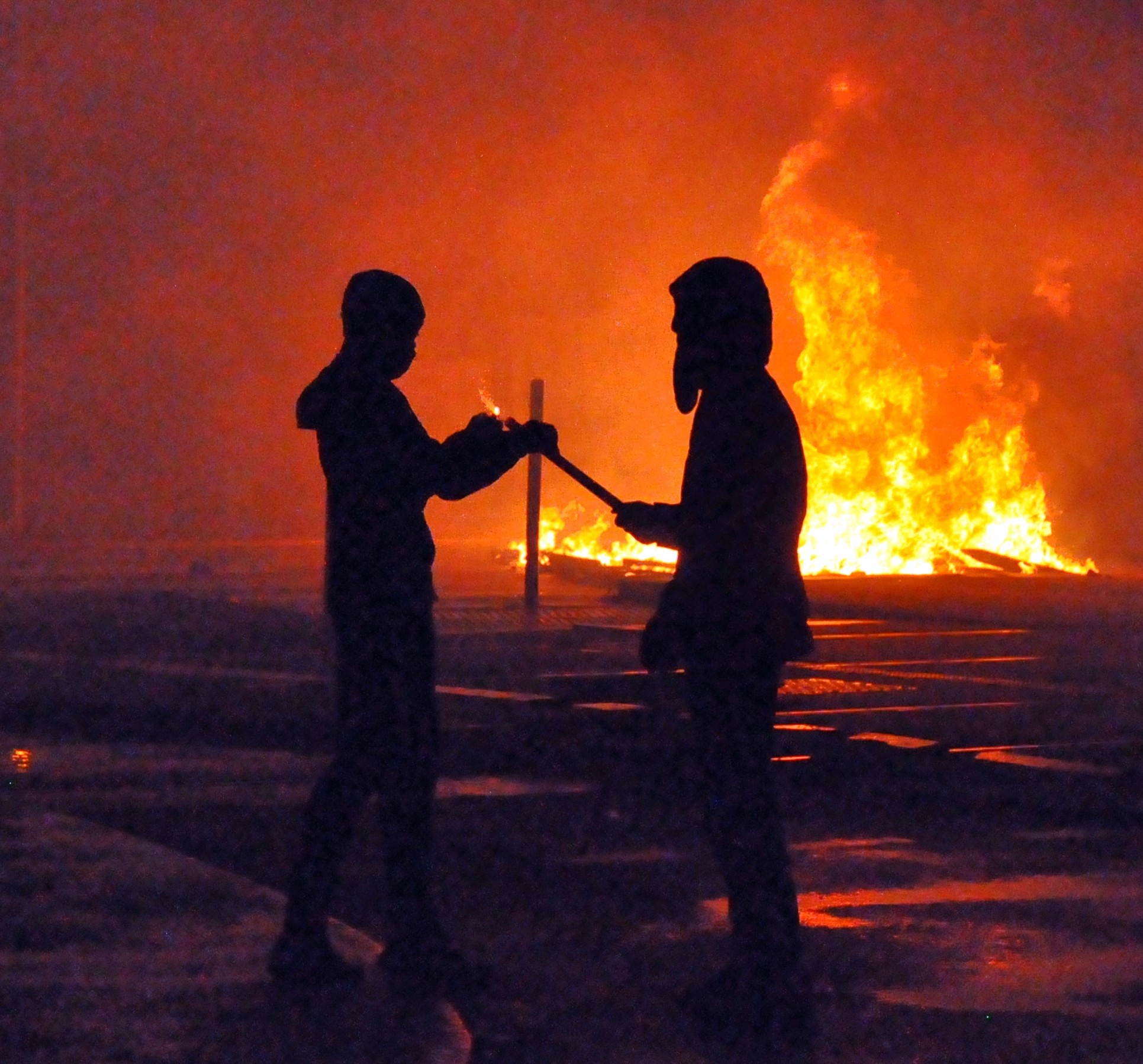

I am seeing only part of it too
I need to remind myself of this as well: I am seeing fragments.
A video of destruction documents what it shows, provided it has been verified. On its own, it does not tell me the intentions of everyone who was there. A peaceful image, likewise, leaves out whatever may have happened on the next street.
The difficult part is accepting that my picture is incomplete. Condemning a particular act without deciding that I have understood an entire society.
I do not need a side ready for every person who appears on my screen. I need to apply the same standard when I see someone being wronged.
Before I trust the next image
There is now another reason to slow down my judgement.
Artificial intelligence can produce convincing text, images, voices and video, quickly and at scale. The OECD also highlights this capacity to generate misleading content. Using it does not, by itself, make information false. It does make plausibility insufficient as proof.
A real photograph can also circulate with the wrong date or caption. That is why the archive photographs in this article state when and where they were taken.
I can no longer trust a piece of information simply because it appears in front of me. I want a source, a date and independent verification. Especially when it agrees with me so completely that I am eager to believe it.
The next image may give me a reason to be angry with a stranger. Before I am, I want to know whether what I am seeing actually happened.
My anger has consequences in the real world. I want it to start, at least, with something true.